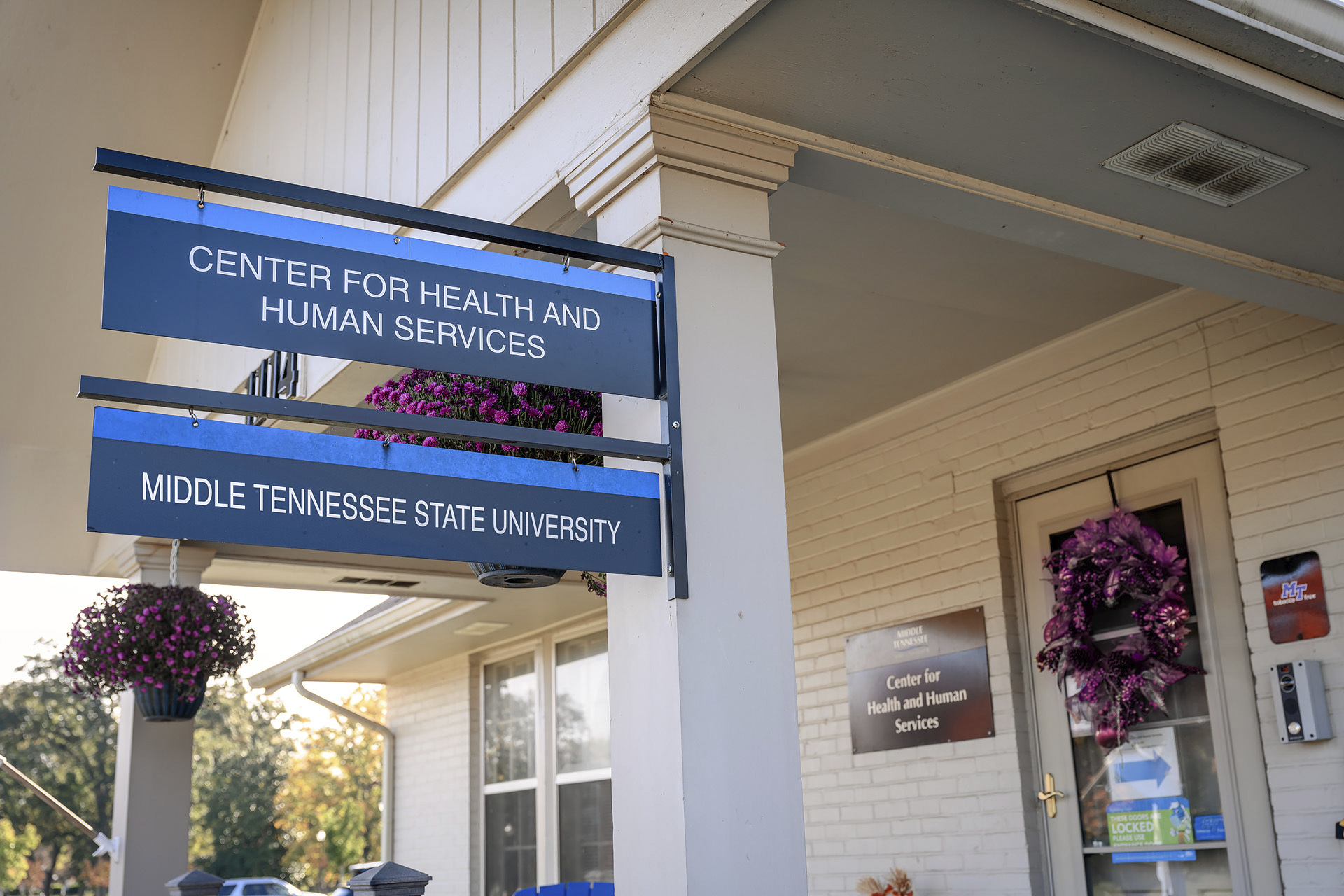
The Center for Health and Human Services
Recovery Support Services
Through funding from the Tennessee Opioid Abatement Council, the Center for Health and Human Services (CHHS) Office of Prevention Science and Recovery (OPSR) is working in partnership with H.U.S.T.L.E. Recovery to expand recovery support services for individuals impacted by substance use and opioid use disorders through two grant-funded projects, Respite Housing and Residential Aftercare and Capacity Building. The majority of grant funding is directed to H.U.S.T.L.E. Recovery to support direct services for individuals seeking treatment and recovery.
Partnership
CHHS OPSR and H.U.S.T.L.E. Recovery are working together to strengthen recovery pathways through coordinated services that connect individuals to treatment, stabilization supports, and long-term recovery resources. This collaboration reflects a shared commitment to expanding access to care, supporting individuals as they navigate recovery, confirming communities have the infrastructure needed to respond to substance use and opioid use disorders. Through this work, CHHS and H.U.S.T.L.E. Recovery are helping translate opioid abatement investments into meaningful recovery supports for individuals and families.
How CHHS Supports This Work
Through the Office of Prevention Science and Recovery (OPSR), MTSU’s Center for Health and Human Services provides dedicated coordination and support to facilitate technical assistance, evaluation, research, and grant management activities, allowing H.U.S.T.L.E. Recovery to focus on providing care and services to individuals on their recovery journey.
A Senior Project Coordinator serves as a primary point of contact with H.U.S.T.L.E. Recovery and respite housing partners, supporting work plan implementation, tracking progress and data collection, and coordinating reporting to the Tennessee Opioid Abatement Council. This role works closely with project leadership to ensure activities remain aligned with project goals and reporting requirements.
About H.U.S.T.L.E. Recovery
H.U.S.T.L.E. stands for “How U Survive This Life Everyday”. Providing tailored guidance and resources that empower individuals to overcome daily challenges, H.U.S.T.L.E. Recovery helps navigate people, with or without insurance, to SUD/OUD treatment. Once they have facilitated admission into a treatment facility, they go the extra mile by providing sober companion transport. They offer a variety of services to help individuals on their recovery journey. These include a Partial Hospitalization Program (PHP)with supportive housing, Intensive Outpatient Program (IOP), a 6-month Vocational Rehabilitation Aftercare Program, Respite Housing, and several gender specific Recovery Houses.
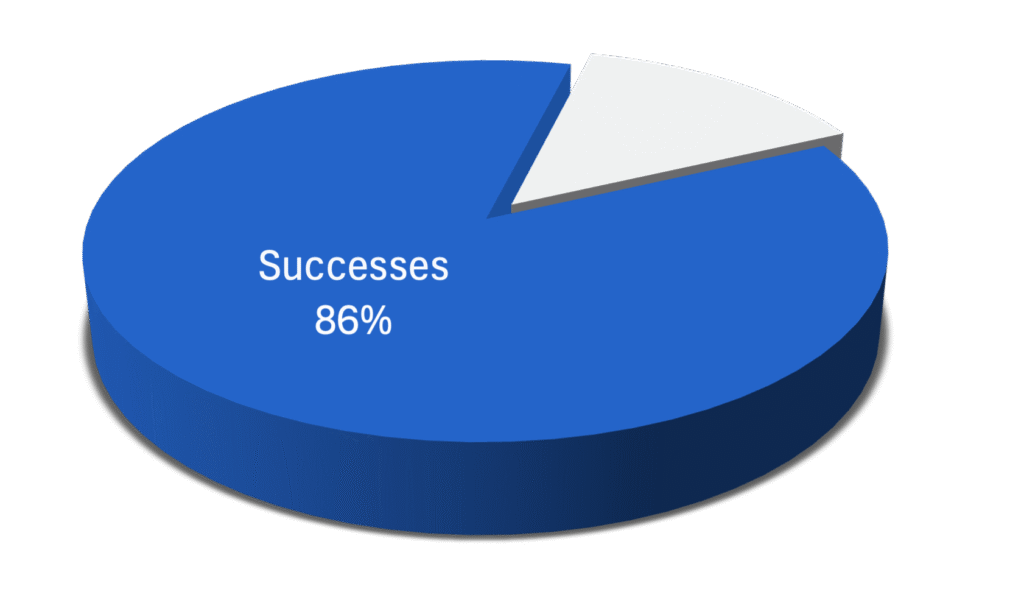
Since the inception of the H.U.S.T.L.E. Recovery Respite House program, 1,370 individuals have been served, with 87% transitioning to treatment or recovery housing, underscoring the importance of respite services in strengthening pathways to recovery.
For more information about H.U.S.T.L.E. Recovery please visit https://www.hustlerecovery.org/
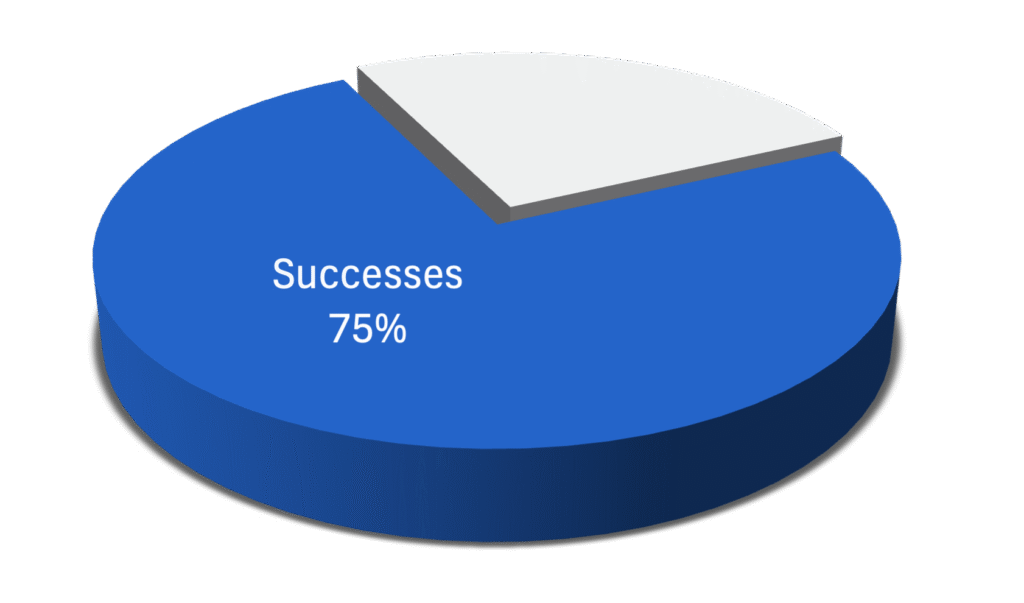
Percentage of clients who were employed and completed their bi-weekly assessments February 1 – Dec 31, 2025, most current reporting period.
What is Respite Housing?
Respite Housing provides individuals a safe place to stay while starting their journey of recovery. Addiction respite housing is a form of temporary, safe, and supportive substance-free living environment designed to provide individuals a stabilizing bridge prior to being admitted to formal treatment.
What is Residential Aftercare?
Residential aftercare in the context of substance use treatment refers to ongoing, structured support provided to individuals after they complete an intensive residential (inpatient) treatment program. It is designed to help people transition back into their daily lives while maintaining recovery and reducing the risk of relapse.
Through the Residential Aftercare and Capacity Building initiative, participants have access to a structured, supportive environment that includes medication-assisted treatment (MAT), wraparound services, transportation, workforce and employment supports, and ongoing monitoring and follow-up care to promote long-term stability.
Percentage of individuals who entered respite housing and transitioned into treatment February 1 – Dec 31, 2025, most current reporting period.
Project Highlights
- Technical assistance supporting local opioid response efforts
- Respite housing expanded to support individuals entering treatment
- Recovery navigation and stabilization services strengthened
- Clients entered treatment from respite
- Individuals were successful in securing employment
- Individuals participated in financial coaching sessions and completed savings plan check-ins
- Community partnerships supporting recovery across the region
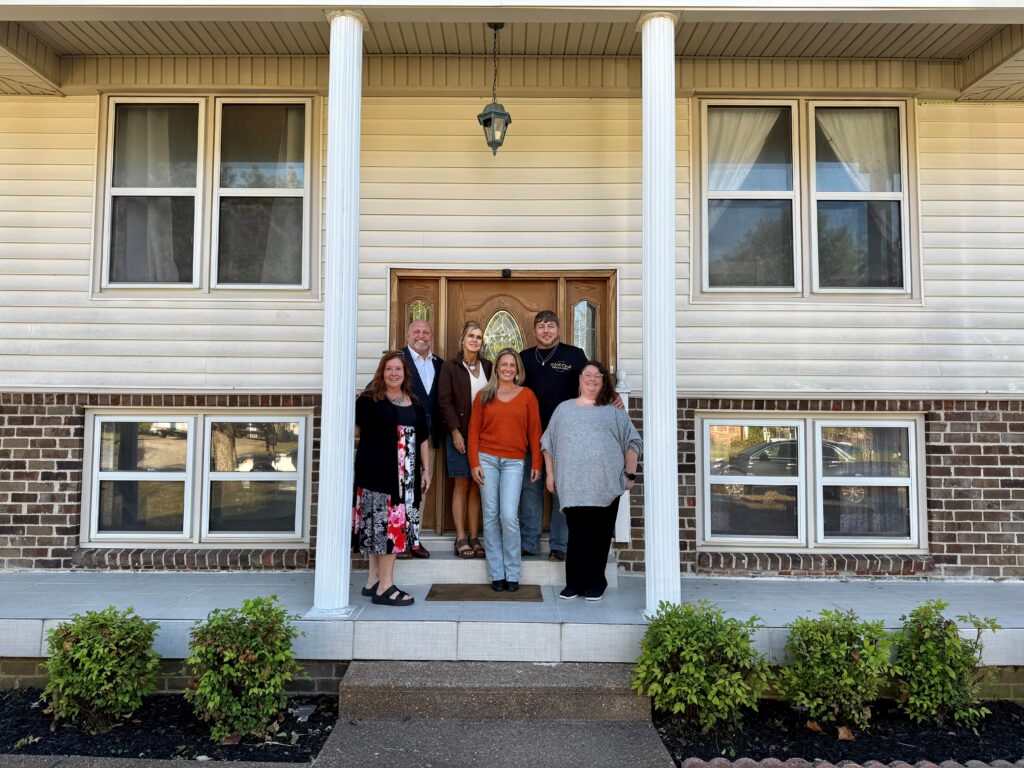
CHHS OPSR and H.U.S.T.L.E. Recovery teams at the grand opening of a respite housing site supporting individuals on their recovery journey.
“A little over a year ago, I was sitting in jail, addicted to fentanyl and meth, without hope for my future. I had lost custody of my kids, had no insurance, no job, and was facing significant jail time. That’s when I was connected to H.U.S.T.L.E. Recovery.
H.U.S.T.L.E. didn’t see me as an inmate or an addict—they saw me as a person worth fighting for. They worked with the courts to help me get out of jail and placed me in their respite care program. From there, they helped me get into Mending Hearts for treatment. When I finished there, H.U.S.T.L.E. welcomed me back into respite care before I had to return to jail.
They didn’t give up on me. H.U.S.T.L.E. fought beside me to get a furlough so I could enter their vocational rehabilitation program. Even with no insurance, they found a way. I started working through their social enterprise company, which gave me my first real chance at employment despite my background. That opportunity became the steppingstone I desperately needed.
Today, everything about my life is different. I graduated H.U.S.T.L.E.’s program. I got hired full-time at AO Smith, where I make $24 an hour. I’ve been promoted to team lead—a job I never would have been considered for without H.U.S.T.L.E.’s support. I got my license back, bought a car, and moved into my own apartment. H.U.S.T.L.E. even helped me furnish it. Most importantly, I regained custody of my kids. I’ve satisfied the courts, completed community corrections, and am set to finish probation this coming January.
Through all of this, I’ve stayed drug-free. I haven’t had a single relapse, and I’ve built a life worth staying clean for. H.U.S.T.L.E. Recovery has been with me at every court date, every step, making sure I never had to face this journey alone.
H.U.S.T.L.E. didn’t just help me recover—they gave me my life back. They gave my children their mother back. And they gave our community one less person lost to addiction and incarceration.”
– Paige P.
This project is funded under a Grant Contract with the Tennessee Opioid Abatement Council.



Follow Us!