Shaping a healthier future and advancing the health and well-being of Tennesseans
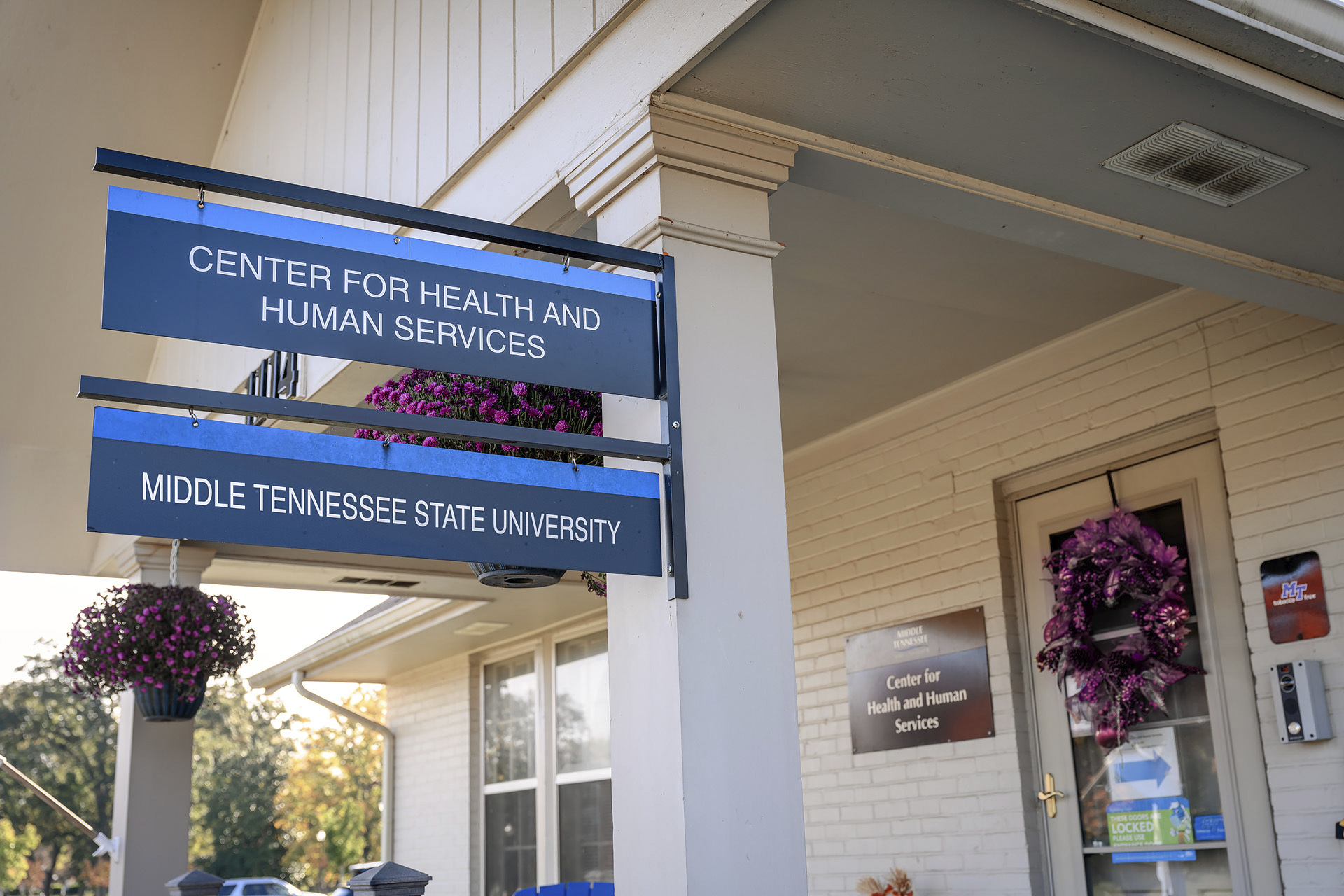
The Center for Health and Human Services
Williamson County Opioid Settlement
In 2022 Williamson County had 46 fatal overdoses, which is a 53% increase in overdoses since 2020. To attend to community needs such as this, the Tennessee Opioid Abatement Council has distributed relief funding to all 95 counties in Tennessee provided from national opioid lawsuit settlements. Williamson County has also received funds directly from the settlements.
The Williamson County Opioid Task Force has chosen to disseminate these funds directly into the community to repair damages caused by the opioid crisis. Funding is available for the abatement and remediation of opioid use and misuse benefitting Williamson County residents.
Funding will be used to positively impact the community within the Tennessee Opioid Abatement Council’s six main strategy areas: Primary Prevention, Harm Reduction, Treatment, Recovery Support, Education and Training, and Research and Evaluation.
Williamson County has directed these funds as available for community and government organizations to apply for on a rolling basis to meet needs pertaining to local work addressing opioid use disorder. Organizations interested in applying for these funds can access the online application below and review instructions on requirements for submission.
Use the section below to ensure all sections of your application have been completed prior to submission.
This is an overview the applicant’s proposal and identifies a target population, outlines goals and objectives, selects a main strategy, anticipates number of people served, provides a cost statement, and more. Applicants must also include the identification of an assigned agency contact for overseeing and reporting on grant progress.
This narrative of the proposal focuses on describing the population served, identifying the need that you will address, outlining the goals and objectives used to measure success, identifying evidence-based practices for implementation, planning for metrics to measure progress and success, and explaining your organization’s capacity to achieve your goals.
This detailed budget breakdown with description of line items, any in-kind support from the agency, and budget justification for each line item requested.
Use the resources below to help inform and strengthen your application prior to submission.
This list outlines allowable uses with Rutherford County Opioid Settlement funding stratified by the Tennessee Opioid Abatement Council’s six main strategies. All activities outlined in an organization’s proposal must be found from this list.
Proposals will be reviewed and scored by a committee from the MTSU Office of Prevention Science and Recovery. Proposals will be evaluated based upon the proven ability of the applicant to meet the goals of the project description in a cost-effective manner with a maximum of 100 points available. This in-depth rubric outlines the breakdown of eligible points that can be awarded per application section and the standards use to compute that score.
This resource provided by the Substance Abuse and Mental Health Services Administration (SAMHSA) outlines how to develop strong goals concerning programs related to substance use and can help applicants strengthen goals for their application.
This resource developed by the Centers for Disease Control and Prevention (CDC) outlines ten rising evidence-based practices for preventing opioid overdose in the United States. Applicants can refer to this resource to incorporate evidence-based practices within their grant application.
To assist with providing examples of strong evaluation metrics for prospective applicants, this resource outlines example metrics within each of the six main strategy categories that includes allowable uses of grant funds. Applicants are not required to choose from this list for their metrics used in their application, rather these are just examples.
While there is no set maximum on how much an organization can request in their proposal, the maximum funding per agency will be determined by the Williamson Opioid Taskforce. All funding request amounts need to be justifiable and reasonable.
The CY27 application is open from July 1, 2026 through August 17, 2026.
All grants will be awarded within the timeline of the Calendar year. Once an organization is voted to receive a grant award, that organization will receive funding for the remainder of the fiscal year, unless otherwise specified by the Williamson County Commission. Williamson County Taskforce operates on a calendar year schedule that begins January 1st and ends December 31st.
The Williamson Opioid Taskforce will vote at the September meeting to make funding determinations according to the application cycle. Following the Taskforce decision to award funding, grant awards will need to be approved by the Williamson County Commission’s Budget Committee and the full County Commission. These other local approvals will delay the timing of directly receiving grant funds from the County by up to four weeks following the Taskforce vote.
Grantees are required to submit evaluation metric updates quarterly based upon the specific data points cited in their grant proposal. This data will be submitted to the MTSU Office of Prevention Science and Recovery (OPSR) quarterly. The OPSR team will work individually with each organization to track success of their grant program to report back to the Rutherford Opioid Board. Organizations are also responsible for tracking spending of grant funding throughout their grant term to provide documentation to Williamson County at the conclusion of their grant term of all grant funds being entirely allocated.
If organizations are awarded funding by the Taskforce, they will need to complete an Opioid Abatement Service Provider Agreement with Williamson County. In this agreement, it is required for organizations to possess Commercial Liability Insurance with limits of liability not less than $1,000,000 per occurrence and $2,000,000 in annual aggregate coverage. The agreement also requires a minimum amount of Professional Services Liability of $1,000,000 per occurrence and $2,000,000 aggregate. Organizations are not required to possess these levels of insurance/liability to apply, but will need to meet the scope of services in this agreement to receive their allocation of the Taskforce grant funding.
Unfortunately, no. Our recommendation is to work in a shared Word Document and to open the link when you are fully ready to submit.
Williamson Opioid Settlement Grantees
Below you can view all grantees from the 2026 Williamson County year stratified by their identified opioid abatement strategy.