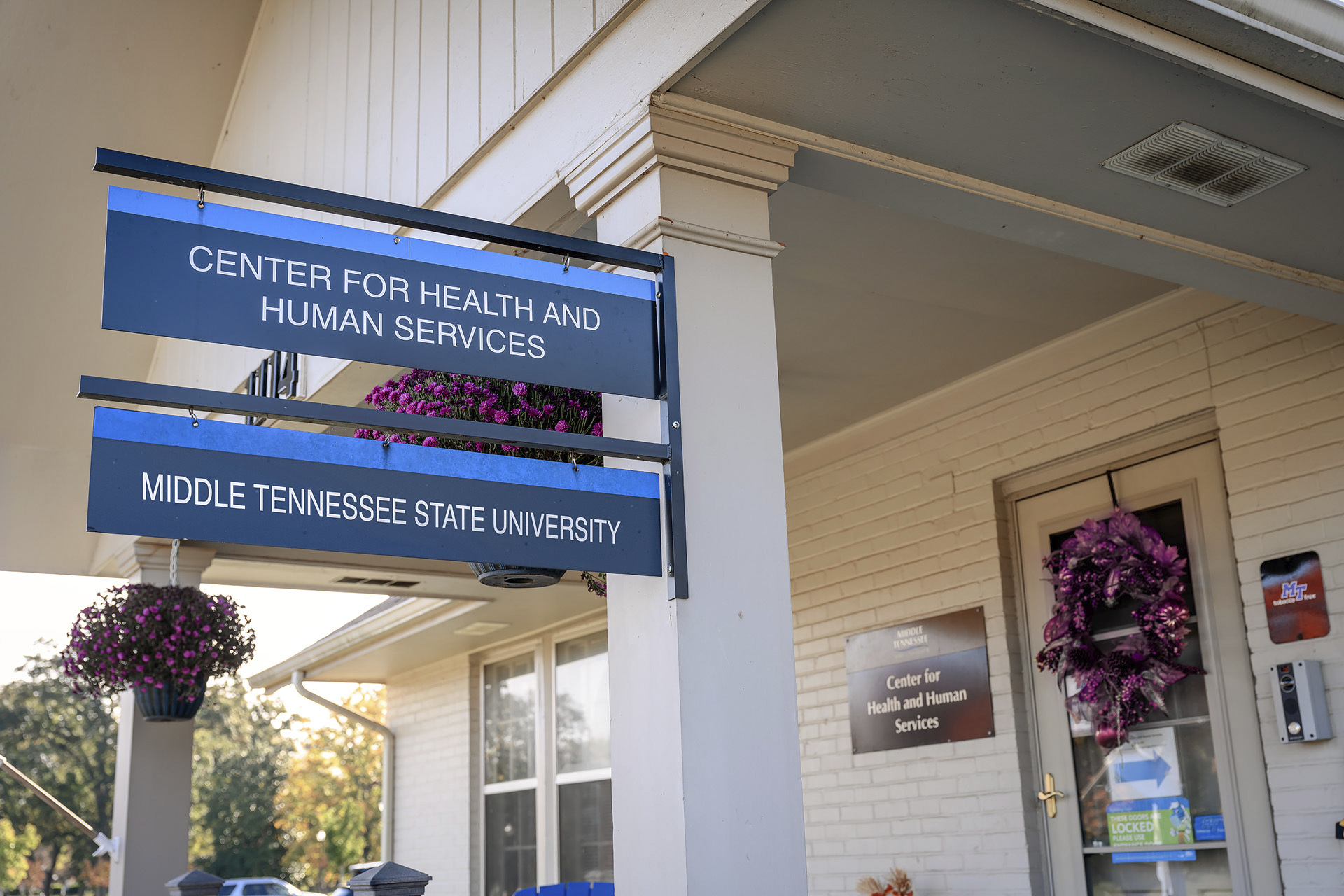
The Center for Health and Human Services
State Opioid Abatement Projects
Roundtables
Collaboration, Engagement, Advancing Health and Well-being, and Strategic Partnerships
When community stakeholders gather in a roundtable format, they contribute to a shared space where public agencies, academic partners, service providers, residents, and local leaders can engage in open dialogue, identify pressing public health challenges, and co-create evidence-informed strategies that promote healthy communities. These discussions not only strengthen relationships across sectors but also help translate community insights into action, support coordinated outreach efforts, and build collective capacity to address complex health and social issues. By emphasizing collaboration, engagement, and shared visioning, roundtables can help shape healthier futures and foster sustained community impact.
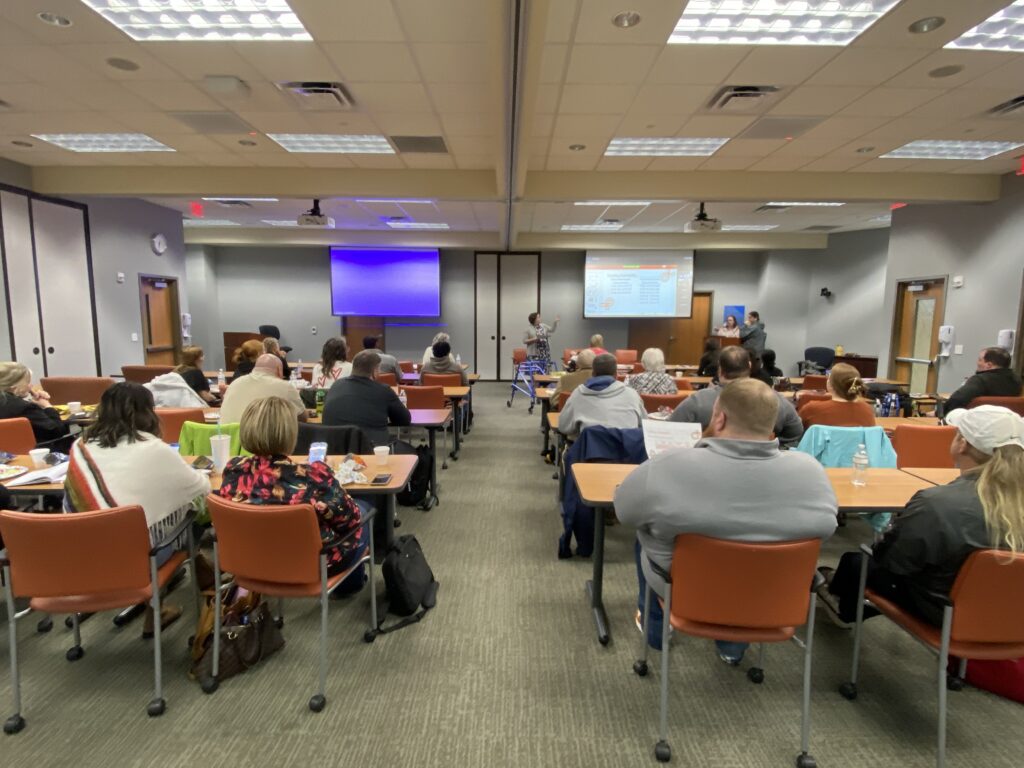
Community Grantees
Tennessee Community Impact Summit
Prevention • Treatment • Recovery
Coming Soon!
The Tennessee Community Impact Summit will bring together professionals, community partners, and organizations from across the state to connect, learn, and strengthen efforts in prevention, treatment, and recovery.
Through collaboration, shared learning, and innovative approaches, the Summit will highlight the work happening across Tennessee, promote efforts to reduce stigma surrounding substance use and recovery, and strengthen connections across the continuum of care.
Stay tuned for more information, including event dates, location, registration, and agenda details!
Stigma and Overdose Prevention
Building Awareness, Reducing Stigma, and Strengthening Community
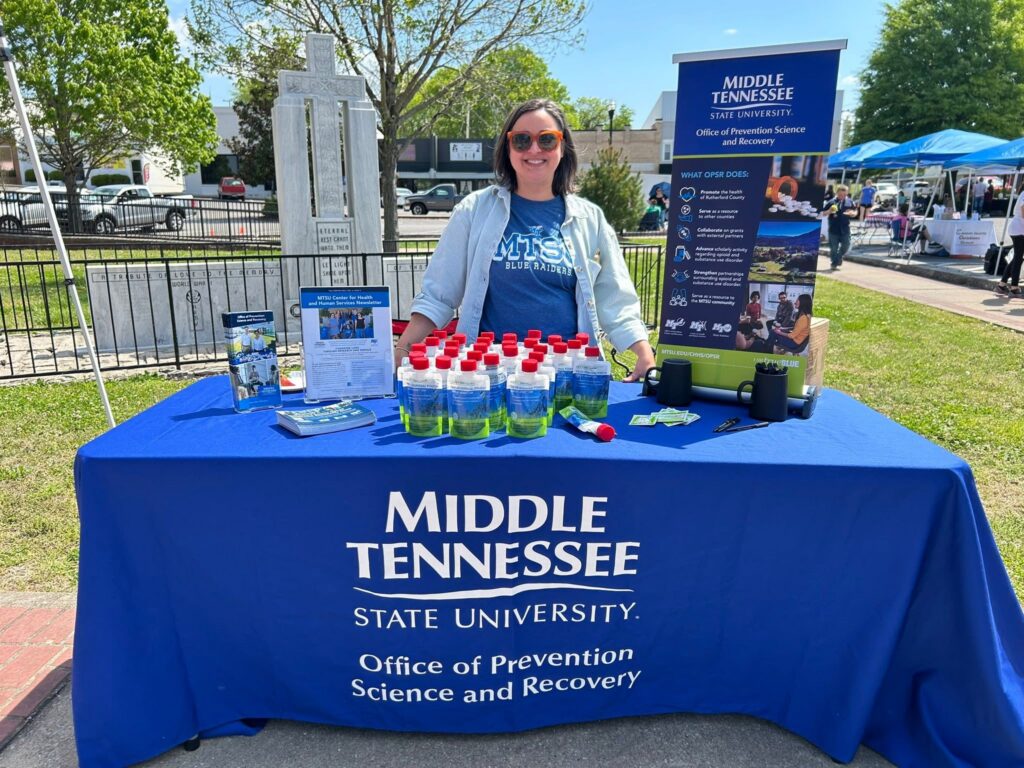
The Office of Prevention Science & Recovery (OPSR) is proud to participate in Recovery Fest events across the Mid-State, connecting with individuals, families, and community partners to promote hope, understanding, and support for recovery.
Through these events, OPSR provides stigma-reduction education, recovery support tools, and resources designed to increase awareness and encourage more supportive communities for individuals impacted by substance use. By engaging directly with communities throughout the region, OPSR works to help reduce the stigma surrounding substance use and recovery while highlighting the importance of connection, compassion, and access to support.
Recovery Fest events also provide an opportunity to celebrate recovery, strengthen community partnerships, and remind individuals and families that recovery is possible and support is available.
This project is funded under a Grant Contract with the Tennessee Opioid Abatement Council.

Follow Us!